- MindWatch
- Posts
- Autism & RFK's take
Autism & RFK's take
The mixed bag of RFK's comments and when people stopped listening.
Keith Myers
May 27, 2025

RFK said, “These are kids who will never pay taxes. They’ll never hold a job. They’ll never play baseball. They’ll never write a poem. They’ll never go out on a date. Many will never use a toilet unassisted.”

He said what?!
A little over a month ago, the U.S. Secretary of Human and Health Services (HHS), Robert F. Kennedy, Jr., made the above statement about kids with autism spectrum disorder (ASD).
Yes, he actually said those things. You can view his speech in its entirety here: https://youtu.be/ajB9ZnU77kk?si=Wg1rQfltQUR2mT77. To me, context is important when discussing these matters, so it is important not to take one quote completely out of context. I would advise you watch the video to get a sense of the whole talk. He said a lot of other things, too. For example, he talked about the recent CDC report that 1 in 31 children have been diagnosed with autism. You can read more about that here: ‘Autism Epidemic Runs Rampant,’ New Data Shows 1 in 31 Children Afflicted | HHS.gov. He also talked about how autism is a disruptor of families and that our children shouldn’t have to deal with such things (I agree and have experienced it as a disruptor in our family - more on that in another post). All of that was a pretty good start. It’s important to raise awareness of autism which can lead to lowering stigma.
He further said that autism must be caused by an environmental toxin and that genes don’t cause epidemics. I’m a counselor so this knowledge is above my pay grade, but many who study this believe autism to be a genetically rooted thing though there can be other less common environmental risk factors. You can read more about possible environmental risk factors related to autism here: Environmental risk factors for autism: an evidence-based review of systematic reviews and meta-analyses - PubMed.
Then the wheels fell off when he said, “These are kids who will never pay taxes. They’ll never hold a job. They’ll never play baseball. They’ll never write a poem. They’ll never go out on a date. Many will never use a toilet unassisted.”
To say those words were controversial would be an understatement. Lumping all kids with autism into “they will never” statements is at best a limiting or pessimistic view and at worst highly stigmatizing and offensive to parents of children with autism.
Once he said those things, many people stopped listening. Public outcry was widespread, fierce, & quick - see this video for a more irreverently humorous take: https://youtu.be/S7SvG1Qle0w?si=d6jEQXth8pD-Kktb.
Sometimes it’s easier to laugh than feel other emotions. 😒
I can tell you one thing, as a parent of a boy who has autism, I stopped listening at the moment he said those things. I had a Papa-bear, visceral reaction in my body, mostly feeling anger and defensiveness that he would make such absolute and conclusive statements. It’s like I took it personally on behalf of my son. I don’t normally have strong emotional reaction to political speeches, but this one hit close to home. I talked to other parents, and they had similar reactions. And if I’m honest, some of what he said struck a chord related to some of my own personal fears as a parent. For example, my fears are that he won’t be able to hold a paying job or be completely independent when he is an adult. None of which is known at the moment, so I am holding hope for those realities.
I wish our leader of health would hold that hope, too.
To be clear, if RFK would have said some kids will never, he would have been correct. Some children with autism certainly face extreme difficulties. I watched and re-watched the speech a couple of times, and the word “some” never crossed his lips. Some ancient texts refer to both a blessing and a cursing that can happen through the spoken word, which is what felt like what happened here. It’s like he was cursing everyone with autism to this non-functional reality. His conclusive and generalizing comments dehumanize all associated with ASD.
I think it’s safe to say that these highlighted comments, even within the full context of the speech, are more stigmatizing to mental health in general and more specifically, to those with autism.
I’m sure that some are glad that the Trump administration is trying to take a deeper look at this issue though how they are going about it is confusing. Arbitrary deadlines to determine “cause” (as RFK has stated other times) aren’t helpful when doing research. A part of me is thankful that this is part of the national conversation. Again, RFK was correct when he said that autism disrupts families, I can attest that’s very true. Drawing attention to these things and therefore raising public awareness could provide an opportunity for stigma-reducing behavior within our culture. This is why I referred to RFK’s comments as a mixed bag…some good could come from this, but I am likely being my overly hopeful, optimistic self so everyone should take that hope with a grain of salt, especially after this speech.
But when RFK implies that all kids with autism will never be able to be fully thriving and functional adults, that spreads falsehoods and promotes a severe stigma surrounding this important conversation about autism spectrum disorder.
Hey RFK, as a health leader, you should be better. Much better.
What is your one thing to do?
Actually, I’ll give you two tangible to-dos to reduce the stigma.

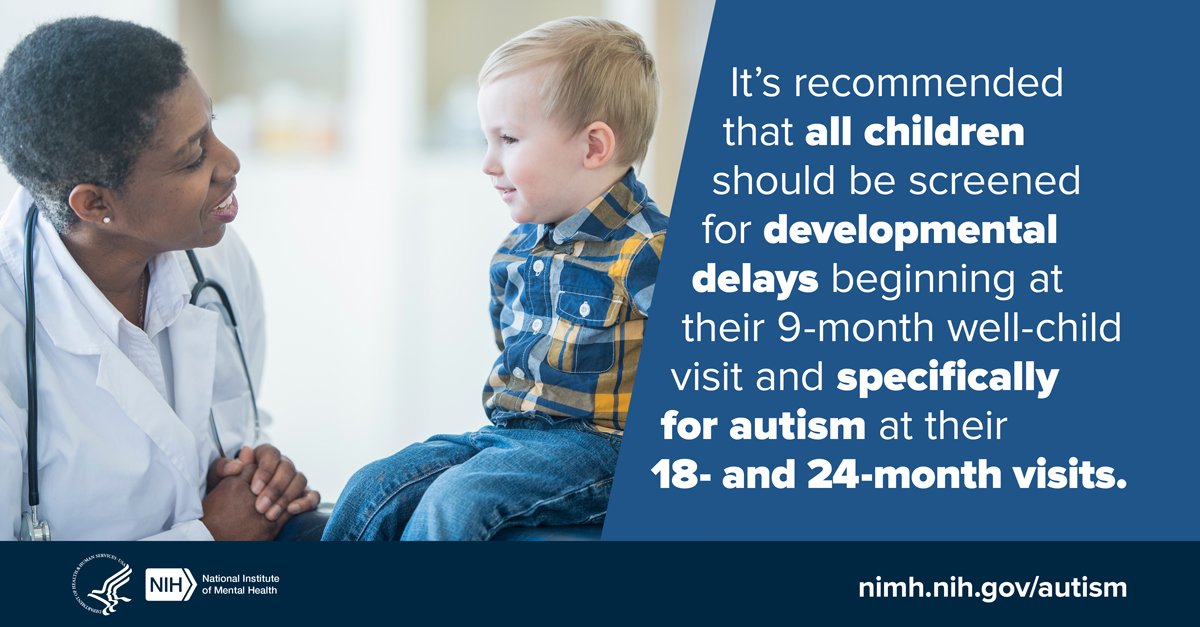
Learn more about autism spectrum disorder.
I realized I never defined what autism is, so hopefully I didn’t lose those who were waiting for me to just that!
My simple definition is this: autism is a neurological & developmental disorder that affects behavior, emotional regulation, cognitive learning, and interpersonal communication.
Here are a few resources that provide a clinical definition and provide support in tangible ways to families:

Ask a parent about their story…I’ll share ours soon in an upcoming edition.
Here we are again, asking people to share their story.
If you know parents who have a child with autism, ask them if they would be open to sharing their story. Sharing stories rob power from stigma and enhances the humanity of parents, children, and families.
Before I sign off, I’m grateful to the 105 subscribers who have been so encouraging to me. For those of you who just joined, you may be asking,
“What is MindWatch?”
MindWatch is a weekly newsletter I created to help crush the stigma of mental health by telling stories and reacting to news, culture, faith, and politics.
Until next week, come back…be here.
Keith